Dassault Systèmes Spatial
Enterprise SDKs and Platform Products
Own SDK products across meshing, constraint solving, and robotic motion planning for customers building design, simulation, and robotics software.
- managed product portfolio
- $5M
- enterprise customers
- 90+
- new customer wins
- 5+
- downstream users through customer apps
- Millions
Overview
Spatial’s software development kits power other companies’ engineering applications. I work with the teams integrating those tools and the engineers who rely on the finished workflows.
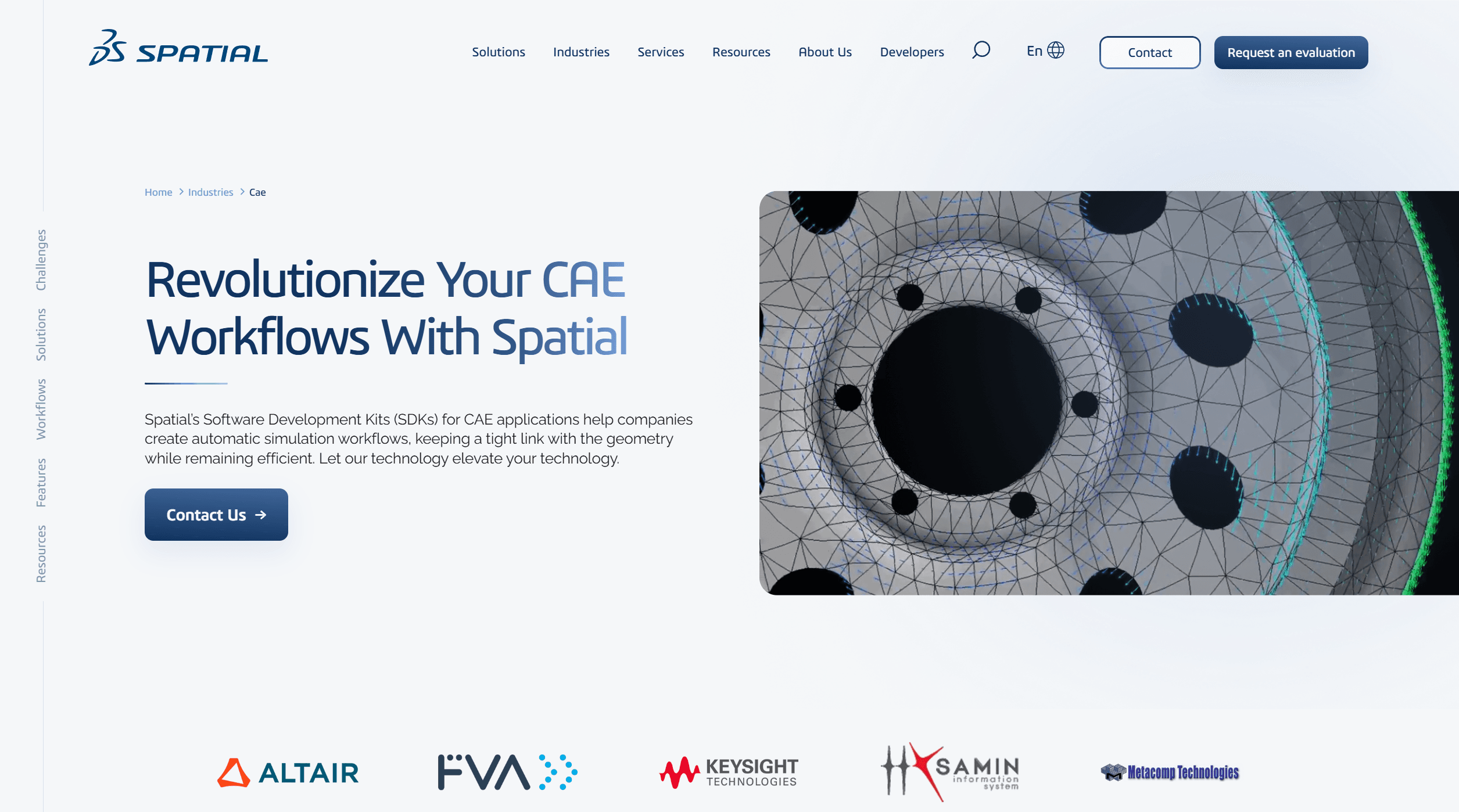
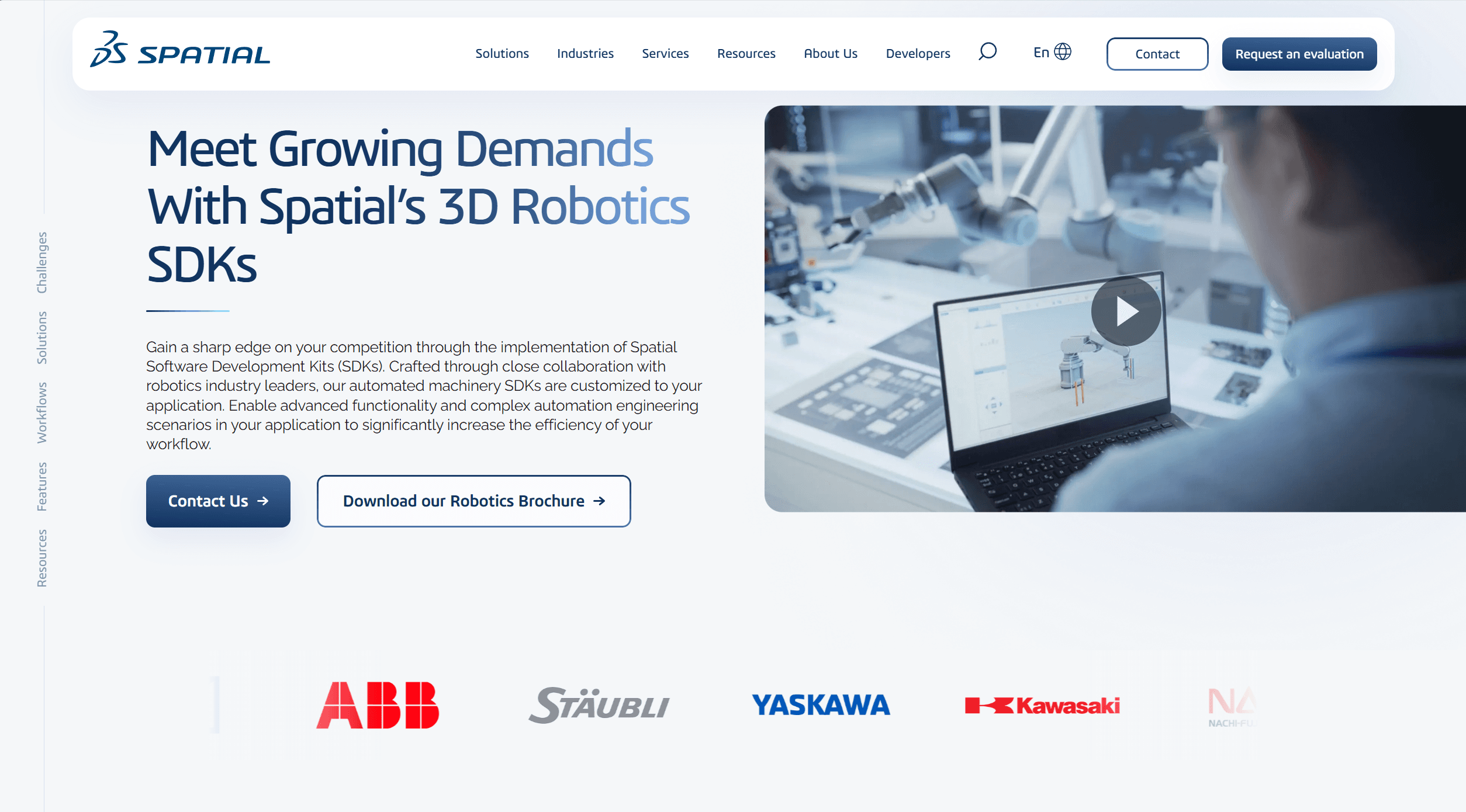
My portfolio covers meshing for simulation, geometric constraint solving, and robotic motion planning. These tools serve developers building design, simulation, and automation software.
I turn customer evaluations into product decisions: what to build, how it should work, and what teams need to adopt it.
Spatial ecosystem
Public examples of Spatial’s SDKs in design, simulation, and robotics.
Spatial
A broader view of the 3D SDK platform behind industrial applications.
Visit Spatial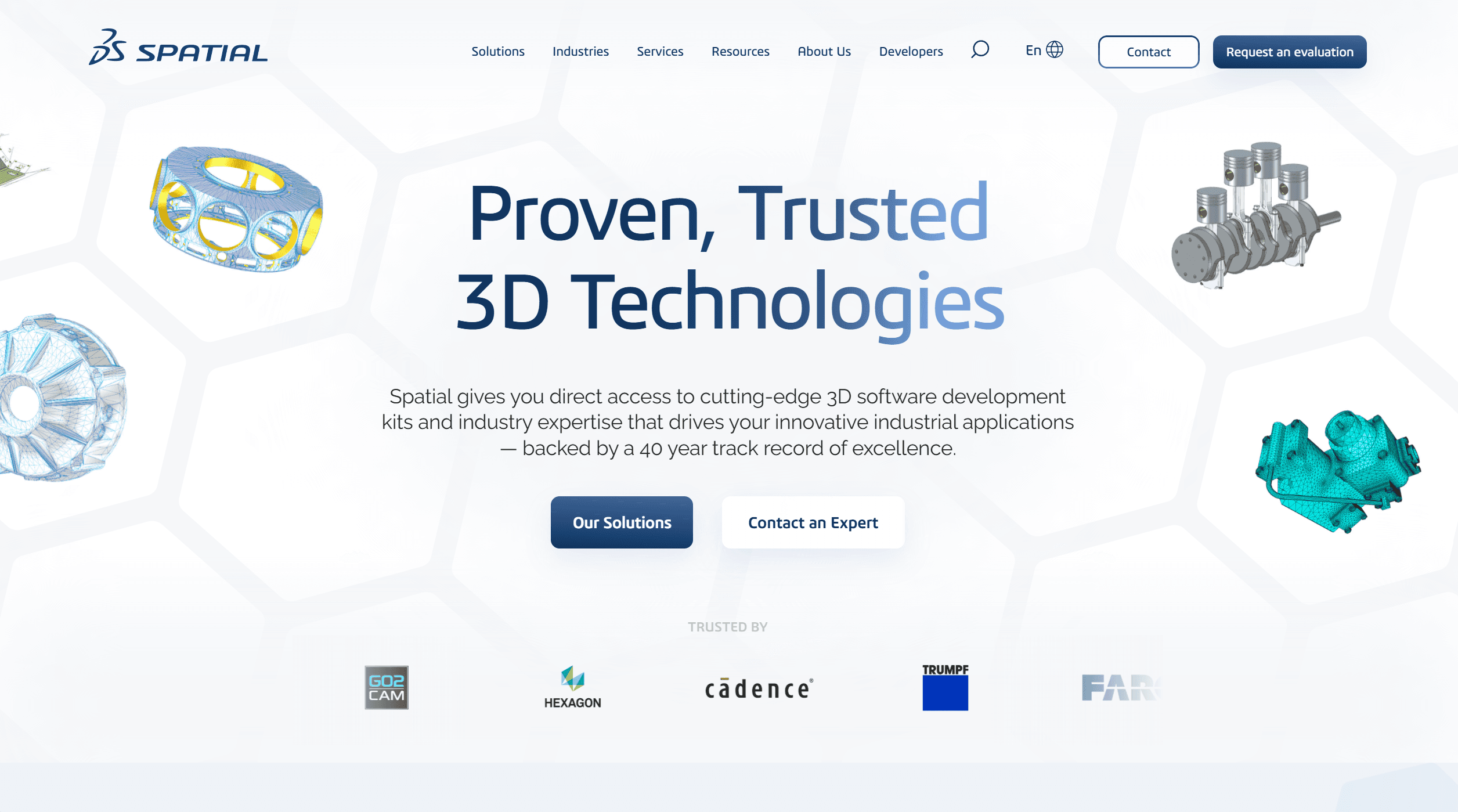
The challenge
- The buyer, integrator, and end user are often different people. A useful product decision has to account for all three without turning every customer request into a one-off roadmap item.
- Meshing, constraint solving, and path planning are evaluated through real workflows: model quality, robustness, performance, API control, integration effort, and the cost of migration.
- The path from evaluation to revenue includes integration and a customer release. Pilot progress and developer adoption help show whether a product is on track.
- I bring customer, engineering, sales, and support teams together to make product decisions across simulation, design, and robotics.
Product approach
Map both customer layers
Understand what the SDK integrator is building, how their downstream users work, where the workflow breaks, and how success will be judged during evaluation.
Make the platform decision tangible
Use C++ prototypes, API sketches, and customer feedback to test proposed capabilities with customers and R&D.
Shape product lines with evidence
Use evaluation results, pilot feedback, and commercial context to set API decisions, roadmap priorities, documentation, and launch plans.
Reduce adoption risk
Plan for compatibility, migration, documentation, and developer support from the start.
Outcomes
Portfolio ownership
Own roadmap, strategy, and launch planning across an approximately $5M product portfolio serving more than 90 enterprise customers.
Customer and revenue impact
Directly contributed to 5+ customer wins over three years and supported product revenue expansion across simulation, design/modeling, and robotics workflows.
Sharper adoption path
Used C++ prototypes, robotics pilots, and AI-assisted developer tools to help customers evaluate SDKs and resolve integration questions earlier.